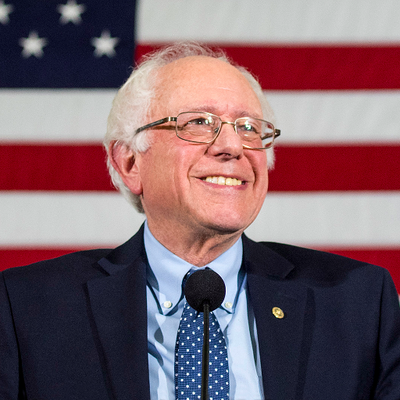
Comment by Jake Sullivan

Former U.S. National Security Advisor
So I'll be advised in what I say, because having some discretion in the diplomatic relationships with Japan and the Netherlands was critical to being able to achieve the kind of consensus we were able to achieve on semiconductor manufacturing equipment export controls. So, for your listeners, there's two types of export controls. There's the controls on very high end ships, I think H one hundred Nvidia chips or the Blackwells, and then there are controls on the manufacturing equipment used to make the highest end AI chips and other high end ships. And that equipment is primarily produced by three countries, the United States, the Netherlands, and Japan, and so having all three of us come together around a common understanding of what components and what machines necessary for the manufacture of semiconductors would be controlled was essential for such controls to be effective, and that required persuasion, consultation, really laying out the challenge as we saw it, and it also required a deep level of technical detail, which is why this really was not just about the diplomats or the national security advisors being in the room. It was about technical experts from each of the three countries really working through the reality of this so that it wasn't just a fly by night effort. [...] What they are designed to do is, to the maximum extent possible, make sure that the highest end national security related technology, these very high end AI chips are not going to China to be used against America currents allies. And you know, I can't guarantee zero leakage, that it's not a dynamic scenario where China and others are working to get around them. We just have to keep at it and continue to learn and continue to update.
AI Verified source (Jun 11, 2025)
Like Share on X 4mo ago
Policy proposals and claims
votes For
Statement relation verification history AI Verified Report this

Statement relation comments

AI Verified Relevant: in the source context, Sullivan describes the United States, Japan, and the Netherlands coordinating semiconductor export controls, says their common approach was essential for the controls to work, and explains that the goal was to keep the highest-end AI chips out of China. That is directly on the statement and makes a determinate stance substantially more likely. ([iheart.com](https://www.iheart.com/podcast/105-techstuff-26941194/episode/the-story-are-the-us-and-280343516/)) · YouCongress gpt-5.4-2026-03-05 · 1d ago
Vote inference verification history AI Verified Report this

Vote answer comments

AI Verified He is clearly supportive: he says the U.S., Japan, and the Netherlands needed to "come together around a common understanding" and that this was "essential" for the export controls to be effective, and he describes the policy as keeping the highest-end AI chips from going to China. ([iheart.com](https://www.iheart.com/podcast/105-techstuff-26941194/episode/the-story-are-the-us-and-280343516/)) · YouCongress gpt-5.4-2026-03-05 · 1d ago

Quote authenticity verification history

Report this

Quote authenticity comments

AI Verified The source URL is fetchable and its June 11, 2025 iHeart episode page for “The Story: Are the US and China in a Tech War? w/ Jake Sullivan” includes an auto-generated transcript. After the host says “Jake Sullivan, Welcome to tech Stuff,” Speaker 2 answers, and the two quoted passages appear there verbatim (with the submitter’s [...] omission between them), so the quote is correctly attributed to Jake Sullivan and the stored date/source match. Apple Podcasts and Omny list the same episode title, date, and guest, corroborating attribution. ([iheart.com](https://www.iheart.com/podcast/105-techstuff-26941194/episode/the-story-are-the-us-and-280343516/)) · YouCongress gpt-5.4-2026-03-05 · 1d ago
replying to Jake Sullivan