
Jennifer Huddleston
votes Against
We can't find the internet
Attempting to reconnect
Something went wrong!
Hang in there while we get back on track
It should be emphasized that not all uses of AI in election advertisements should be presumed to be manipulative or fraudulent. In fact, even when it comes to election advertising, there are beneficial and non-manipulative uses of technologies like AI. For example, AI could be used to translate an existing ad in English to the native language of a group of voters that might not otherwise be reached or add subtitles to reach communities of individuals with disabilities. It could also be used to lower the costs of production and post-production, such as removing a disruption in a shot. Even these examples are more direct interactions that may be more visible than the countless examples of AI that may be used in spell-checking a script or using an algorithm in a search engine to conduct research or promote an ad. These actions are not manipulative or deceptive nor do they give rise to concerns about mis or disinformation. However, under many definitions, some or all of these actions would result in labeling requirements that an advertisement used AI. Given the broad use of AI , such a “warning label” could become meaningless as it applies to both benign and manipulative uses. Existing law does not get tossed out the window just by the appearance of new technologies, and actions by bad actors must be addressed in existing FEC rules. New technologies should not change the underlying rules of the road.AI Verified source (2023)

 11mo ago
 Dario Amodei
CEO at Anthropic
Dario Amodei
CEO at Anthropic
 OpenAI
AI research organization
OpenAI
AI research organization
 Anthropic
AI safety research company
Anthropic
AI safety research company
 Yoshua Bengio
AI Pioneer, Turing Award winner
Yoshua Bengio
AI Pioneer, Turing Award winner
 Sam Altman
CEO at OpenAI
Sam Altman
CEO at OpenAI
 Demis Hassabis
Nobel laureate, AI Researcher and CEO of DeepMind
Demis Hassabis
Nobel laureate, AI Researcher and CEO of DeepMind
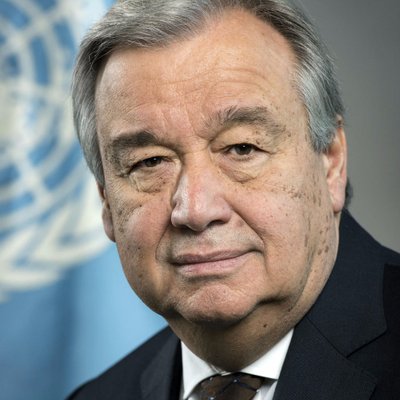 António Guterres
UN Secretary-General
António Guterres
UN Secretary-General
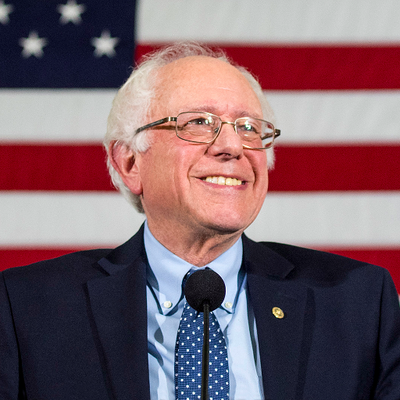 Bernie Sanders
U.S. Senator from Vermont
Bernie Sanders
U.S. Senator from Vermont
 Pope Leo XIV
Head of the Catholic Church
Pope Leo XIV
Head of the Catholic Church
