
Jennifer Huddleston
votes Against
We can't find the internet
Attempting to reconnect
Something went wrong!
Hang in there while we get back on track
Mandated transparency may also not actually improve consumer education around their privacy choices. First, many consumers may grow fatigued and frustrated with the constant pop ups and consents as they do with current cookie pop ups. Second, a government mandate — as opposed to an organic best practice — is more likely to communicate to consumers in ways that are not seamless with products and in terms they see fit for their audience by focusing on compliance instead. Finally, mandated transparency in AI is particularly tricky. Often, the ways data is used are of key value to the company. Government transparency mandates could require the disclosure of intellectual property or other competitively valuable information and concerningly set up platforms for pressure from the government to take or not take certain actions. Many companies will likely provide transparency in response to consumers’ expectations and demands. Those who do not may face industry or consumer pressure to do so. Such an approach allows for more flexibility than a regulatory mandate would and raises less concerns about the potential tradeoffs.Disputed source (Jun 28, 2024)

 12mo ago
It should be emphasized that not all uses of AI in election advertisements should be presumed to be manipulative or fraudulent. In fact, even when it comes to election advertising, there are beneficial and non-manipulative uses of technologies like A...more AI Verified source (2023)
 added 11mo ago
 Dario Amodei
CEO at Anthropic
Dario Amodei
CEO at Anthropic
 OpenAI
AI research organization
OpenAI
AI research organization
 Anthropic
AI safety research company
Anthropic
AI safety research company
 Yoshua Bengio
AI Pioneer, Turing Award winner
Yoshua Bengio
AI Pioneer, Turing Award winner
 Sam Altman
CEO at OpenAI
Sam Altman
CEO at OpenAI
 Demis Hassabis
Nobel laureate, AI Researcher and CEO of DeepMind
Demis Hassabis
Nobel laureate, AI Researcher and CEO of DeepMind
 Scott Alexander
Author and psychiatrist
Scott Alexander
Author and psychiatrist
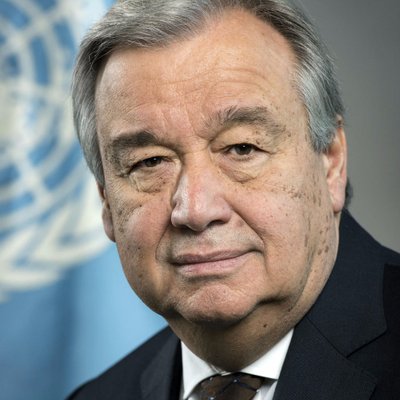 António Guterres
UN Secretary-General
António Guterres
UN Secretary-General
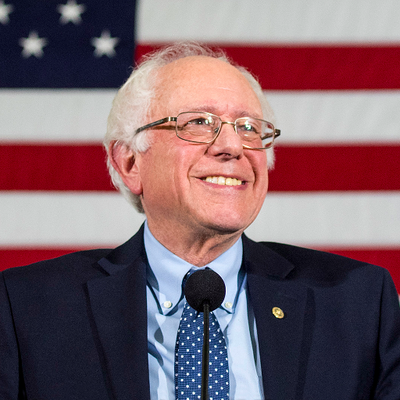 Bernie Sanders
U.S. Senator from Vermont
Bernie Sanders
U.S. Senator from Vermont